
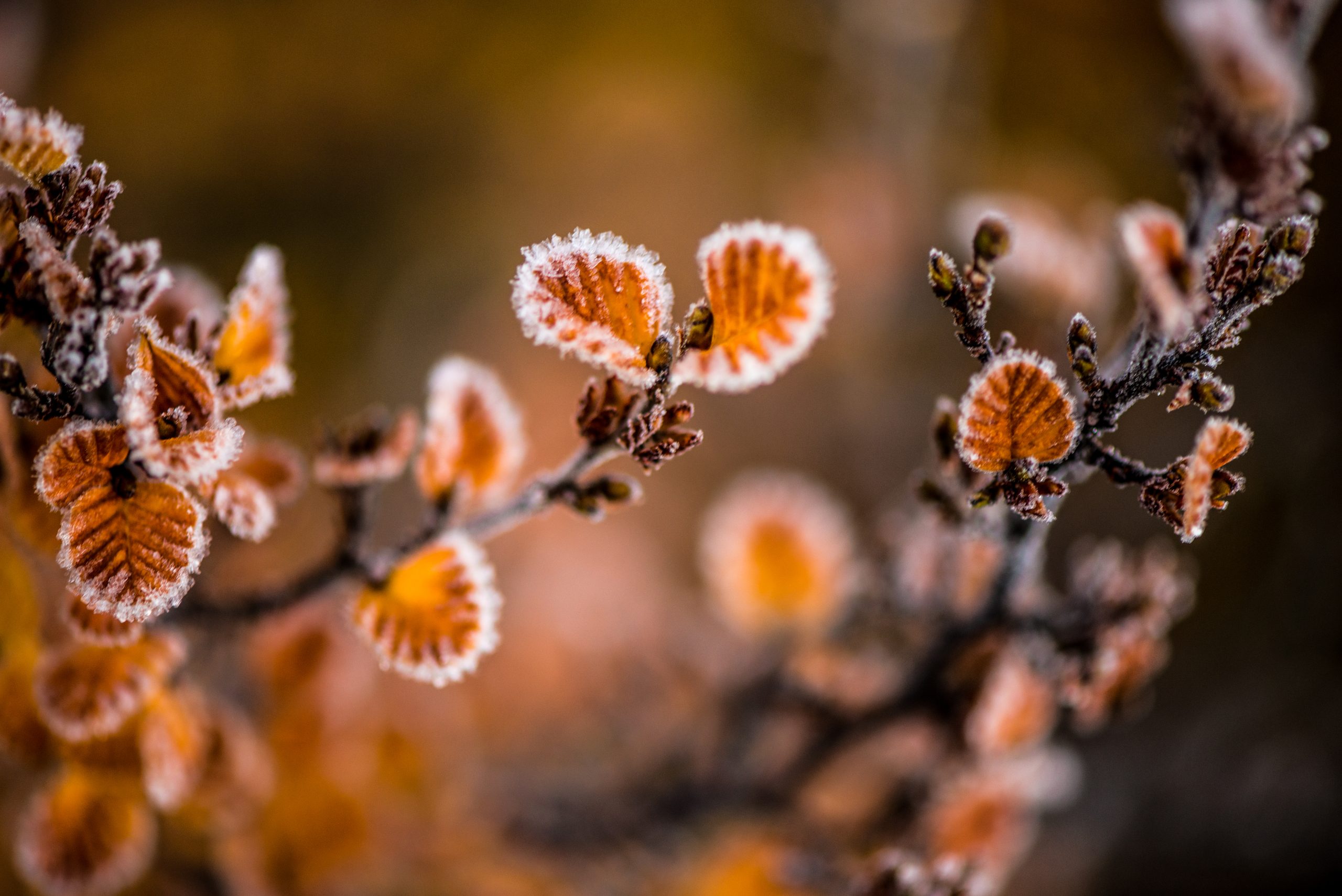
If you’ve spent time in Tasmania’s mountains in autumn, you already know about fagus. If you haven’t, let me tell you about the most spectacular thing that happens in this part of the world every year – and almost nobody outside Tasmania knows it exists.
Nothofagus gunnii – fagus, or deciduous beech – is the only native deciduous tree in Australia. For most of the year it’s unremarkable, a low spreading shrub tucked into alpine and subalpine zones. But for a few weeks in autumn, usually late April through May, it turns. Copper, orange, gold, deep red. The whole alpine zone lights up in colour that you wouldn’t believe if you hadn’t seen it.
When does fagus turn?
The peak is usually the last two weeks of April through the first two weeks of May. Higher elevations turn first. The window is short – once the leaves drop they’re gone, and the whole thing can be over in two to three weeks. A clear day with low overnight temperatures after rain is ideal.
Where to see it
Mount Field National Park
The Lake Dobson area at Mount Field is the most accessible fagus location in Tasmania. The Tarn Shelf circuit is about 10km and manageable for most fit walkers. Mount Field also has an exceptional fungi season happening at the same time – the rainforest near Russell Falls is alive with fungi in May while the alpine zone above is turning gold. Two extraordinary subjects in one location, on the same day.
Cradle Mountain
Pockets of fagus along the approaches to Marion’s Lookout and along Dove Lake. The combination of the mountain, the lake, and the autumn colour makes for some of the most photographed scenes in Tasmania.
Remote locations
Lake Rhona, the Walls of Jerusalem, and the remote southwest offer fagus in settings that almost nobody photographs. These require overnight trips but the experience of being in the alpine zone during peak colour with nobody else around is something you don’t forget.
Photographing fagus
Look for context. A single branch of golden fagus against a dolerite peak or a dark tarn says more than a wide shot of colour. Find the frame within the landscape.
Work the light. Golden hour transforms the colour. Flat midday light makes everything look muddy. Plan around the light, not convenience.
Use weather. Mist in the valleys, cloud breaking over peaks, fresh snow on the high ground with colour below – dramatic conditions make dramatic photographs. Don’t wait for blue sky days.
Get close. The individual leaves of fagus are beautiful up close – small, delicate, intricate. A macro or short telephoto finds details the wide angle misses.
Join me at Mount Field this season
This year I’m running a dedicated Fungi and Fagus photography experience at Mount Field with Tasmanian Photography Tours – three days timed to catch both the peak fagus colour and the autumn fungi season simultaneously. We’ll cover the Tarn Shelf and Lake Dobson for the fagus, and the rainforest below for fungi, with sunrise and sunset sessions each day.
Small group – never more than six. Genuine time to work with each person’s gear and approach. If you want to be in the alpine zone when the colour peaks, get in touch through Tasmanian Photography Tours.
Mountain and forest prints are available in the Mountains and Forest galleries. All images available as fine art paper prints, canvas, and metal prints through the store.